

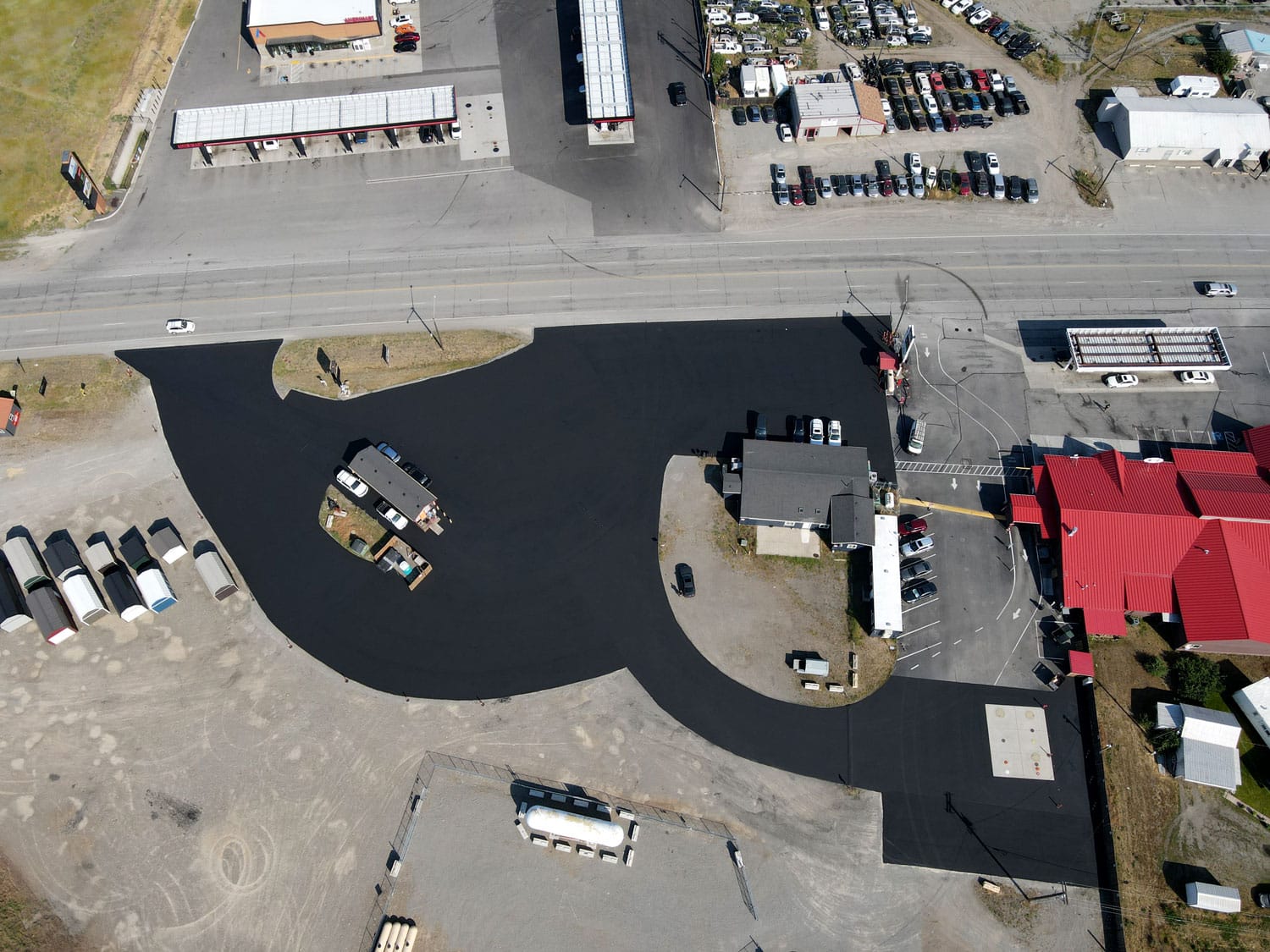
As temperatures rise across Spokane and North Idaho, May marks the unofficial start of sealcoating season. After months of winter wear and early spring moisture, your asphalt is finally ready for protection—and acting now can make a major difference in how long it lasts.
If you’ve been considering sealcoating, May offers some of the best conditions of the year to get it done right.
Why May Is Ideal for Sealcoating
Sealcoating depends heavily on weather conditions. The Inland Northwest’s unpredictable spring can delay projects, but by May, temperatures typically stabilize enough to create the ideal environment.
Consistent daytime temperatures above 50 degrees allow sealcoat to properly cure and bond to the surface. Lower humidity and longer daylight hours also help the material dry evenly, reducing the risk of tracking or premature wear.
In short, May hits the sweet spot between unpredictable early spring weather and the high demand of summer.
Protect Your Asphalt Before Summer Damage Sets In
While winter causes structural damage, summer brings a different threat. UV rays, heat, and oxidation begin to break down asphalt surfaces, causing them to fade, dry out, and become brittle.
Sealcoating acts as a protective barrier that helps:
- Block UV damage
- Prevent moisture penetration
- Resist oil and chemical spills
- Maintain flexibility in the pavement
Applying sealcoat in May ensures your asphalt is protected before peak summer conditions arrive.
Extend the Life of Your Pavement
Regular sealcoating is one of the most cost-effective ways to extend the life of your asphalt.
Without protection, asphalt can deteriorate quickly, leading to cracks, potholes, and eventually costly replacement. With proper maintenance, including sealcoating every few years, you can significantly delay those major expenses.
For many property owners, a simple sealcoating application can add years of life to their pavement.
Improve Curb Appeal Instantly
There’s also a visual benefit that shouldn’t be overlooked.
Fresh sealcoat restores that rich, black finish that makes a property look clean, maintained, and professional. For commercial properties especially, this can make a strong first impression on customers and tenants.
Pairing sealcoating with fresh striping can completely transform the look and functionality of a parking lot heading into the busy summer season.
Timing Matters More Than You Think
Waiting too long into summer can make scheduling more difficult as demand increases across Spokane and North Idaho. Crews book up quickly, and delays can push your project further into peak heat or even into fall.
By scheduling in May, you benefit from:
- Better availability
- Faster project turnaround
- Ideal weather conditions
- Protection before summer wear begins
When to Schedule Sealcoating
If your asphalt is showing signs of fading, light cracking, or general wear, now is the time to act.
May is ideal for:
- Commercial parking lots
- Residential driveways
- HOA and multi-family properties
- Retail and industrial surfaces
If deeper damage is present, repairs should be completed before sealcoating to ensure the best results.
Serving Spokane and North Idaho
From Spokane to Coeur d’Alene, May is one of the most important months for asphalt maintenance. Taking action now helps you avoid bigger repairs later and keeps your property looking its best all season long.
Ready to protect your pavement? Contact Asphalt Pros USA today to schedule your sealcoating service and secure your spot before the summer rush.
Frequently asked questions
What temperature is best for sealcoating in Spokane?
Sealcoating works best when temperatures are consistently above 50 degrees with no rain in the forecast for at least 24 hours.
How long does sealcoating take to dry?
Most sealcoating applications dry to the touch within a few hours, but full curing typically takes 24 to 48 hours depending on weather conditions.
How often should asphalt be sealcoated?
Most asphalt surfaces should be sealcoated every 2 to 3 years, depending on traffic and exposure to weather.
Can you sealcoat over cracks?
Cracks should be repaired before sealcoating to ensure a smooth surface and long-lasting results.

