

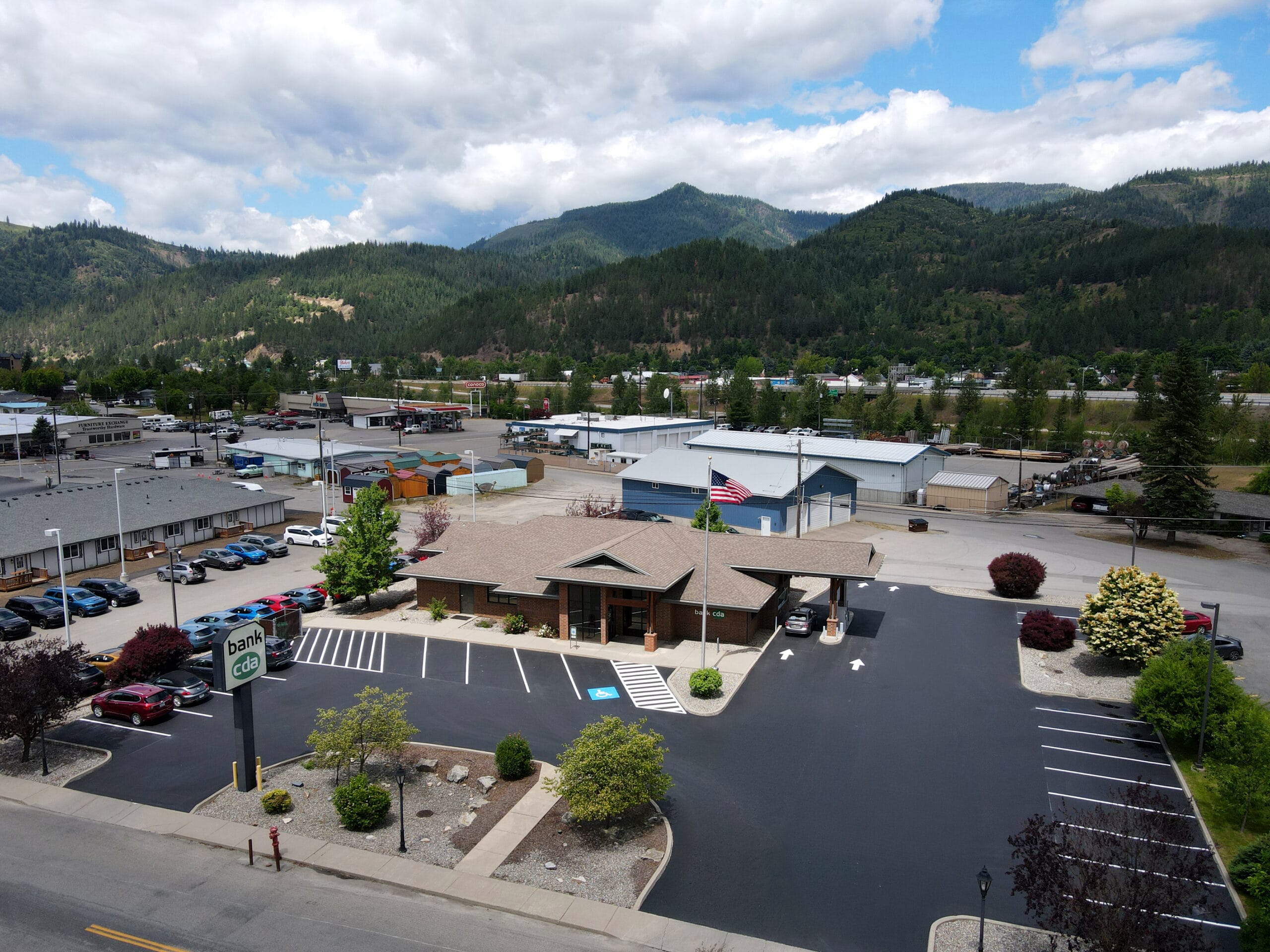
When it comes to asphalt, water is one of the biggest threats to a pavement surface. While cracks, potholes, and surface wear are easy to spot, drainage problems can be more difficult to recognize until they have already caused significant damage. For property owners in Spokane and North Idaho, proper drainage is an important part of keeping parking lots, driveways, and paved roads in good condition.
Asphalt is designed to handle water, but it is not designed to sit in it. When rainwater, snowmelt, or runoff collects on the pavement instead of draining away, it can begin to weaken the surface and the underlying base. Over time, repeated exposure to moisture can contribute to cracking, potholes, rutting, and other pavement failures.
How Water Damages Asphalt
Water can enter asphalt through existing cracks, joints, damaged areas, and along pavement edges. Once moisture reaches the layers beneath the asphalt, it can weaken the supporting base and create soft areas.
The problem becomes even more significant when temperatures drop below freezing. Water trapped beneath the pavement can freeze and expand, creating additional pressure on the asphalt. As temperatures rise again, the ice melts and leaves behind weakened areas that can eventually develop into potholes or other failures.
This freeze-thaw process is one reason drainage is particularly important for properties throughout the Inland Northwest.
Signs Your Property May Have a Drainage Problem
You don’t always need a major flooding issue to have a drainage problem. Some warning signs are relatively subtle.
Look for:
- Water pooling on the pavement after rainfall
- Puddles that remain long after surrounding areas have dried
- Cracking concentrated around low areas
- Potholes that repeatedly return in the same location
- Erosion along pavement edges
- Soft or sinking areas of asphalt
- Water flowing across parking areas or drive lanes
- Mud or sediment collecting near pavement edges
If you notice these problems repeatedly, simply repairing the visible asphalt damage may not address the underlying cause.
Why Parking Lot Drainage Matters
Commercial parking lots experience a combination of vehicle traffic, heavy loads, pedestrian activity, and exposure to the elements. When water doesn’t drain properly, those stresses can accelerate pavement deterioration.
Poor drainage can also create inconvenience and safety concerns for customers and employees. Standing water can make walking areas difficult to navigate, create slippery conditions, and contribute to deterioration around accessible parking spaces, sidewalks, and entrances.
Proper grading and drainage help direct water away from the pavement and toward appropriate collection or discharge areas.
Drainage Starts Before the Asphalt Is Installed
One of the most important times to address drainage is before paving begins.
Proper site preparation, grading, and base construction help establish the slope needed to move water away from the finished pavement. This is particularly important for new parking lots, private roads, driveways, and other large asphalt projects.
Simply installing new asphalt over an existing drainage problem won’t necessarily solve it. If water is already collecting in a particular area, the underlying grade or drainage system may need to be addressed before new pavement is installed.
What About Existing Asphalt?
Existing pavement with drainage problems may still be repairable. Depending on the severity of the issue, solutions can range from localized patching and grading adjustments to more extensive reconstruction.
The important thing is to identify the source of the problem before repeatedly repairing the same area. A pothole that returns every year may be a symptom of a larger drainage or base problem rather than simply a pothole that needs another patch.
Protect Your Asphalt Before Problems Get Worse
Good drainage works together with other preventative maintenance practices. Crack filling helps keep water from entering the pavement, while sealcoating provides additional protection against moisture and other environmental exposure. Regular inspections can also help identify drainage problems before they lead to major pavement failures.
For property owners in Spokane, Coeur d’Alene, Post Falls, Hayden, and surrounding communities, paying attention to how water moves across your property can go a long way toward protecting your asphalt investment.
Asphalt Pros USA provides paving, patching, crack filling, sealcoating, excavation, grading, and other pavement services throughout North Idaho and the Spokane area. Whether you’re dealing with recurring puddles or planning a new paving project, our team can help identify the right approach for your property.
Frequently asked questions
How does poor drainage damage asphalt?
Poor drainage allows water to remain on or beneath the pavement. Moisture can weaken the underlying base and contribute to cracking, potholes, and pavement deterioration, especially when freezing temperatures create repeated freeze-thaw cycles.
Why does water keep pooling in my parking lot?
Recurring standing water can be caused by inadequate slope, settlement, damaged drainage systems, or changes in the underlying base. Identifying the cause is important before simply repairing the affected asphalt.
Can asphalt be repaired if drainage is the problem?
Yes, but the appropriate solution depends on the cause and severity of the drainage issue. Minor problems may require localized repairs, while significant grading or base issues may require more extensive work.
Does new asphalt fix drainage problems?
Not necessarily. If the underlying grading or drainage issue isn’t addressed, new asphalt may eventually develop the same problems. Proper site preparation and drainage should be considered before paving.

